

As the trend toward electrification and energy efficiency accelerates, industries such as automotive, electronics, and lighting, among others, are increasing their demand for lightweight materials. Lightweight components enhance performance and efficiency while reducing resource consumption and emissions. Die casting makes it possible to produce strong, lightweight components with precise geometry, but assembling these parts introduces unique challenges.
Challenges in assembling die‑cast parts
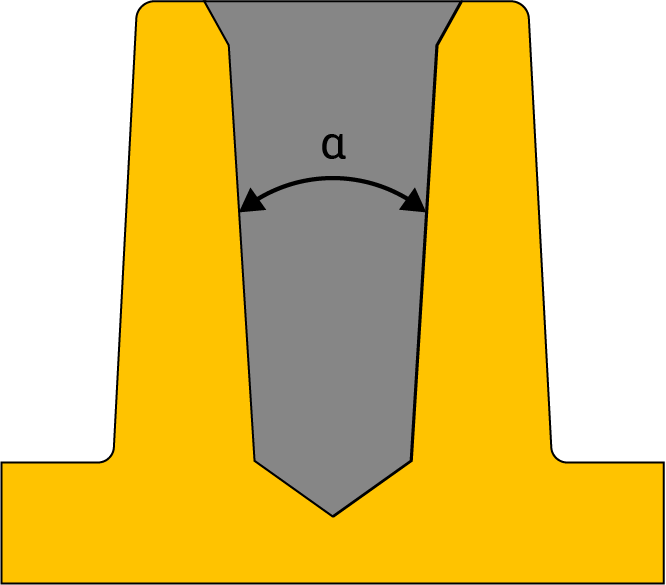
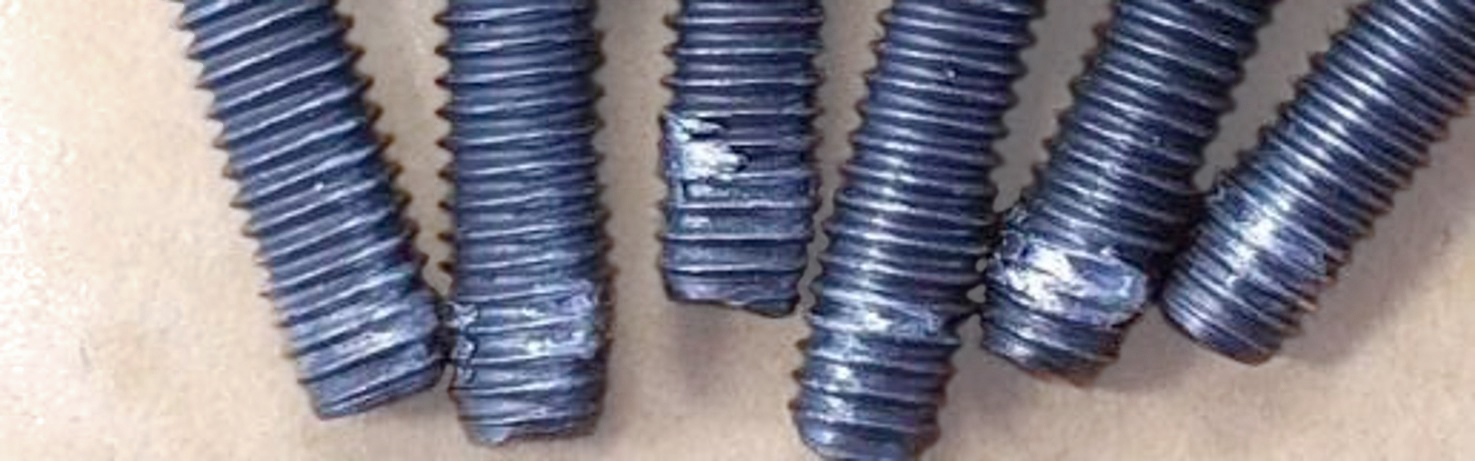
Blockage and thread stripping during installation
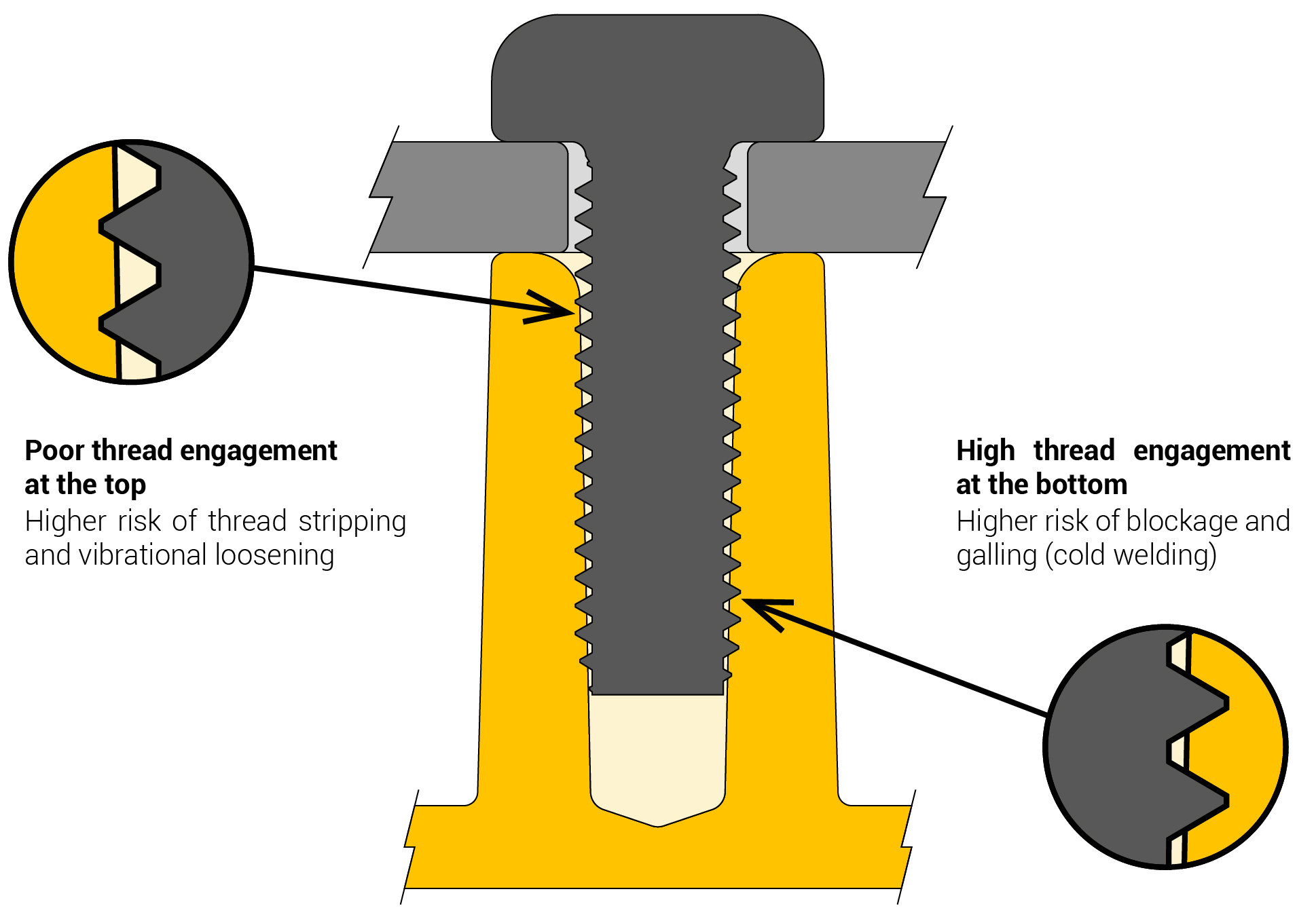
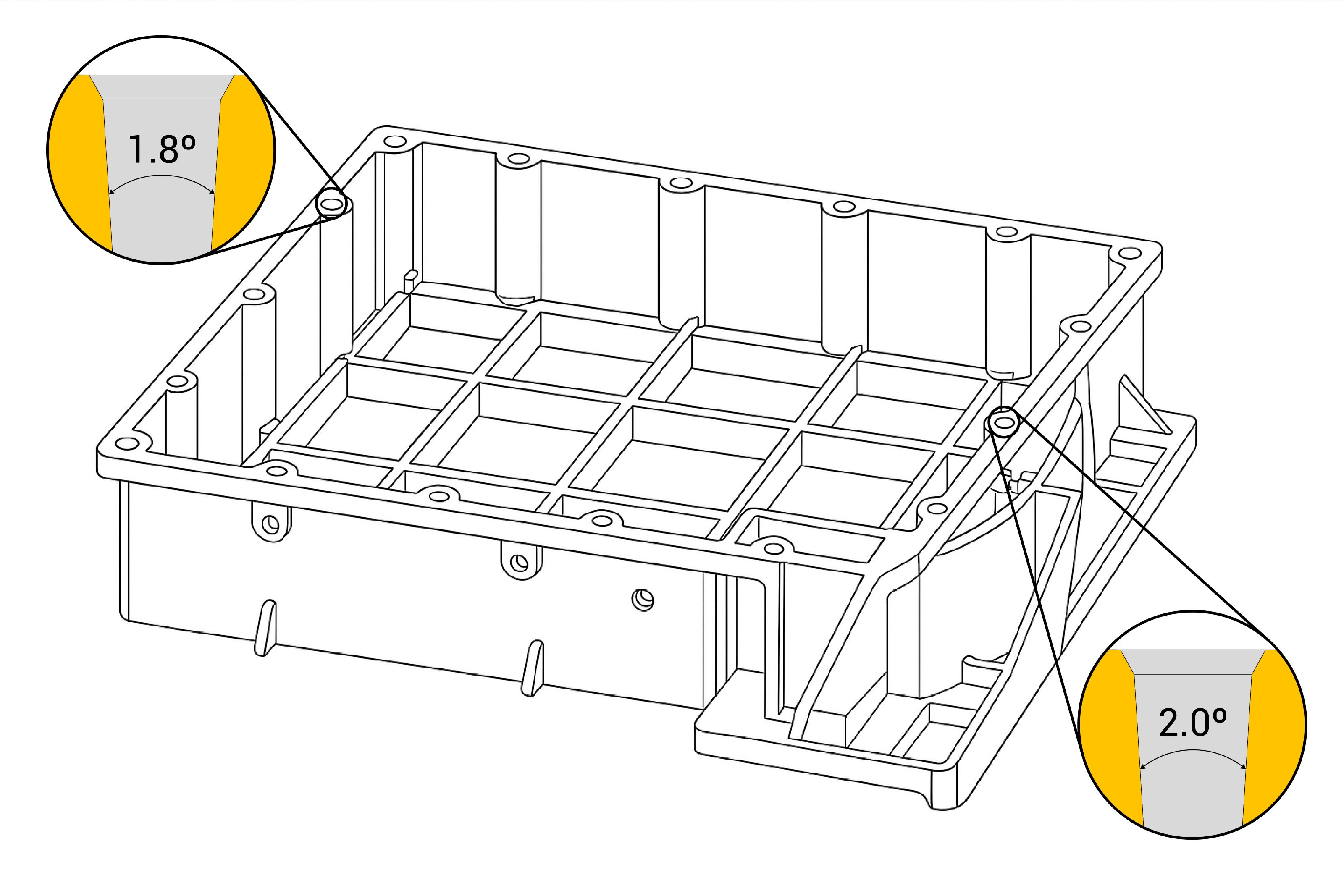
Inconsistent draft angles in die‑cast hole
Core pins wear down over time due to erosion from molten metal flow, thermal cycling, and abrasion. Therefore, different pins may wear at different rates and the draft angles can vary widely, with parts exceeding 2º or becoming inconsistent even within the same batch.
Typical workaround approaches - but ineffective
Drilling (and sometimes tapping) the holes
Increases assembly cost due to the additional drilling and tapping operations.
Oversized conical holes
Increases assembly cost due to the additional drilling and tapping operations.
Applying extra lubricant on the screws
Increases assembly cost due to the additional drilling and tapping operations.
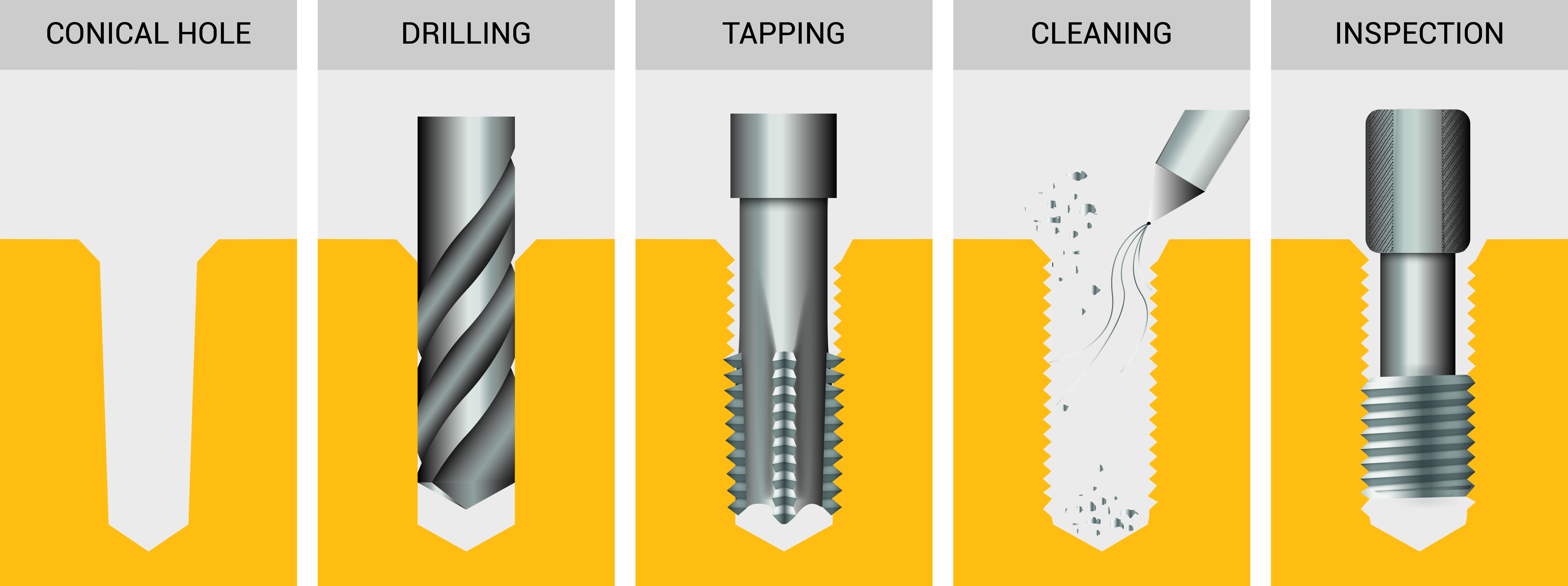
The solution for fast, smooth assembly in die-cast parts
At CELO, we provide fastening solutions specially designed for die-cast assemblies and tailored to each application. They help to:

Minimize the risk of screw blockage

Eliminate drilling and tapping operations, reducing the total assembly cost
Reduce the risk of thread stripping

Increase pull-out strength and resistance to vibration loosening

Provide stable tightening torque

Provide reliable clamping force